
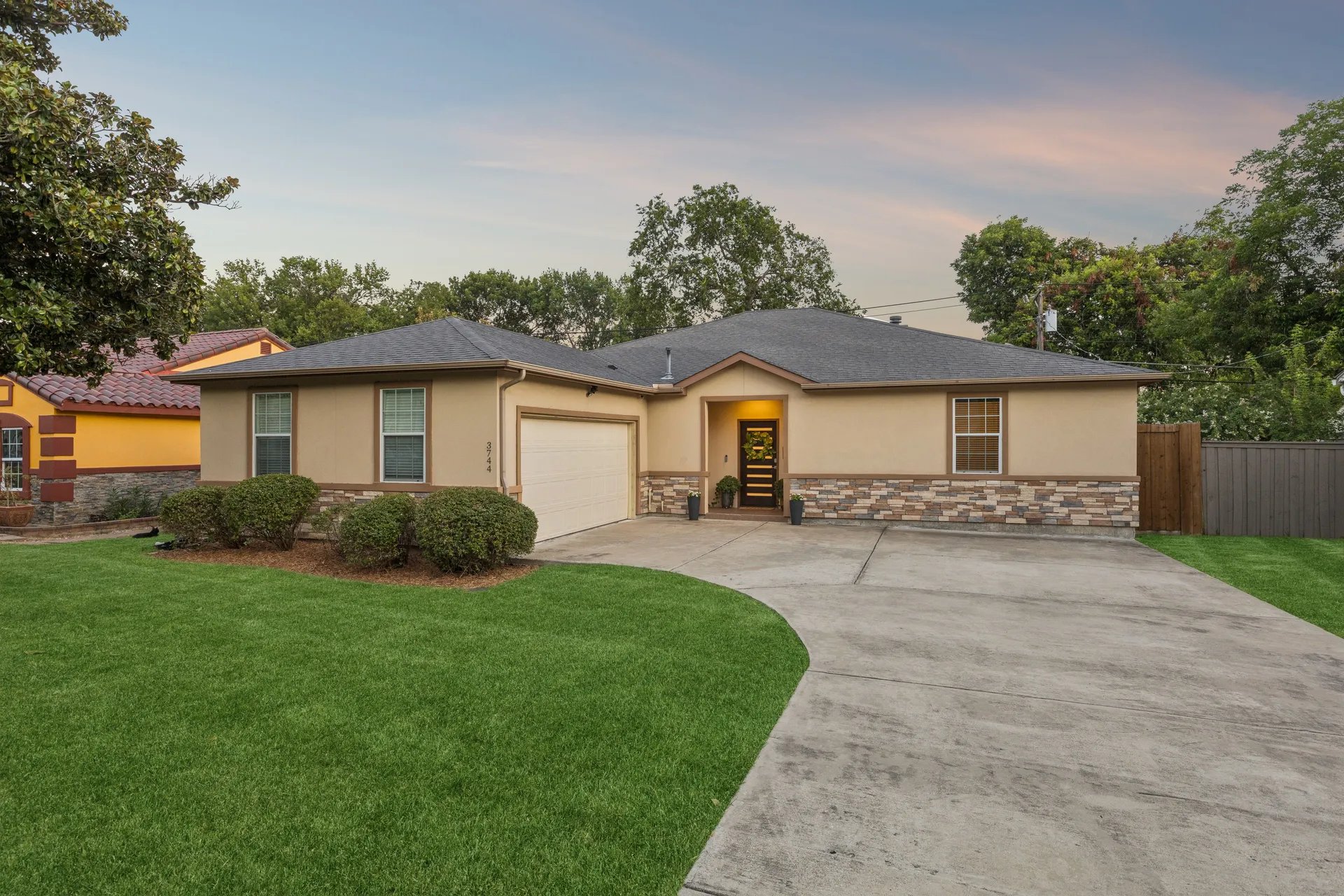
International Relocation
You do not need a Social Security number, US credit, or a visa to buy a home here.
Most people are told the opposite, usually by someone who has never done one of these. There is no citizenship or residency requirement to own property in Texas. What changes is how the loan is underwritten, and there are three separate paths depending on your situation.
Underwriting
The three financing paths
ITIN loan
For someone who has an Individual Taxpayer Identification Number and has filed US tax returns under it.
- A valid ITIN
- Two years of returns filed under that number
- Proof of steady income
- Recent bank statements
- Government photo ID
Down payment typically 15 to 25 percent, with rates somewhat above conventional.
Foreign national loan
No SSN, no ITIN, no US credit history, and no US based income required.
- Verified foreign income and assets
- Foreign bank records or an employer letter
- Government photo ID or passport
Down payment typically 25 percent or more, occasionally as high as 50 percent depending on the country and the program.
DSCR loan
Qualifies on the property's own rental income rather than on you at all.
- A property that will be rented
- A rental income figure that covers the debt service
- Reserves, which vary by lender
The route many international investors take when the property will be rented.
An ITIN is not required for most foreign national programs. If a lender tells you it is, they are telling you about their own product, not about the market.
Raven Mok is a real estate agent, not a lender. Program terms change constantly. Confirm all figures with a licensed loan officer before relying on them.
Before You Take Title
The four questions a lawyer should answer before you take title
In Texas, the closing itself runs through a title company, not an attorney. So the honest answer to whether you need a lawyer is: not for the closing. But there are four questions where getting it wrong is expensive, and all four are decided before you take title, not after.
01
How you hold title, and the sixty thousand dollar problem.
A non resident alien who owns US real property is subject to US estate tax with an exemption of roughly sixty thousand dollars. A US citizen's exemption is over thirteen million. That gap is not a typo. Someone who buys a nine hundred thousand dollar home in Frisco in their own personal name has created a significant US estate tax exposure, and almost nobody is told this at the closing table. Whether you hold title personally, through an LLC, through a trust, or through a foreign structure changes the answer, and it is very difficult to fix after the fact. This is the single most important conversation to have before you sign.
02
Whether a tax treaty changes your position.
The United States has income tax treaties and, separately, estate tax treaties with some countries and not others. Which one applies to you affects withholding, your filing obligations, and the estate exposure above. Korea, Vietnam, China, and Taiwan each sit differently on this. Your own counsel resolves it, and the answer can change the ownership structure entirely.
03
Moving the money, and the limits in your own country.
The US side is straightforward. Banks and title companies must document source of funds, wires are reported under federal reporting rules, and deliberately breaking a transfer into smaller pieces to avoid reporting is a crime, not a workaround. The complication is usually on the other end. Mainland China limits individuals to roughly fifty thousand US dollars equivalent per person per year in foreign exchange purchases, which is why families plan a purchase across multiple people and often across multiple years. Korea requires reporting a foreign real estate acquisition through a foreign exchange bank. Vietnam requires State Bank approval for outward remittance for a property purchase. None of these make buying impossible. All of them make timing matter, and none of them are things you want to discover two weeks before closing.
Practical planning: allow far more time than the wire itself takes, get the source of funds documentation assembled early, and never let anyone advise you to split a transfer to stay under a threshold.
04
FIRPTA, which affects your sale before you have even bought.
When a foreign person sells US real property, federal law generally requires a percentage of the gross sale price to be withheld at closing. It is a withholding against your eventual tax liability rather than an additional tax, and much of it can come back. But it affects your cash at the closing table on the day you sell, and how you took title at purchase affects how it applies. Plan for it now, not then.
This page is general information, not legal or tax advice, and it is not a substitute for your own counsel. Raven Mok is a licensed Texas real estate agent and a former CPA. She is not your attorney and not your tax advisor. Every situation here depends on your citizenship, residency, visa status, and country of origin. Raven can introduce you to attorneys and cross border tax advisors who do this work regularly, and that introduction costs you nothing.

From Abroad
What the process actually looks like
-
01
Remote identity verification and notarization
Identity is verified remotely, and most closing documents can be notarized at a US consulate or embassy, or through a remote online notary where the title company accepts one. Confirm which your title company allows early, because it changes your calendar.
-
02
Wiring funds internationally
International wires take longer than domestic ones and can sit in compliance review for several days. Start the transfer well before you need the funds at the table, and expect your bank to ask for documentation on the source of the money.
-
03
Power of attorney if you cannot be present
If you cannot attend closing, a specific power of attorney lets someone sign on your behalf. It must be drafted correctly and approved by the title company and the lender in advance, not on the day.
-
04
Touring by video walkthrough
You see the home through an agent who is physically standing in it, on a live call, in the order you want to see it. That includes the things a listing photo hides, the road noise, the condition of the roof, and what the street looks like at the time of day you would actually be home.
Plan At Purchase
The two things to plan for before you buy
FIRPTA
When a foreign person sells US real property, federal law generally requires a percentage of the gross sale price to be withheld at closing. It is a withholding against your eventual tax liability, not an extra tax, but it affects your cash at closing years from now and it surprises people. Plan for it at purchase, not at sale.
Property tax and the homestead exemption
The exemption requires the home to be your primary residence. An investment property or a second home does not qualify, which changes the annual carrying cost materially. Run your numbers with and without it before you decide how the property will be used.
The Location Case
Why North Texas specifically
Three factual reasons. There is no state income tax. DFW airport gives you direct international access on a long list of routes, which matters when you are still travelling back regularly. And there is a heavy concentration of global corporate employers across the northern suburbs, which supports both resale demand and the rental market if the property will not be your primary residence.


Who You Are Working With
I work with buyers who are moving money and paperwork across a border at the same time they are choosing a house, and the part that goes wrong is almost never the house. I keep a short list of attorneys and cross border tax advisors I trust, and I will make the introduction early, before you take title, when it still costs you nothing to fix.
Raven Mok
Active eXp Realty DFW | CLHMS | Former CPA
Start the conversation in your language
Tell me your timeline and I will build the plan backward from it.
Step 1 of 2. Two questions, nothing else.
Other relocation guides